
SEIUN KAKU JAPANESE MAPLE

Know Your Zone
Enter your zip code to look up your hardiness zone region.
#6930
SEIUN KAKU JAPANESE MAPLE
Acer palmatum 'Seiun Kaku'
Availability
These Units Are Currently Ready to Ship
These items can be added to your Shopping Cart.
These Units Are Currently Out of Stock
Check back regularly for updated inventory.
These Units Are Currently Growing On Our Farm
We are waiting for them to become ready to ship. These items can be added to your Shopping Cart.
Orders containing Online Pre-Order items will be scheduled to ship based on projected ready dates.
These Units Are Currently In Production
These items are currently in production and do not have a projected ready date at this time. These items cannot be added to your Shopping Cart.
Please call to pre-order (918) 453-0771.
RediRoot 5 gallon - 4-5 ft tall
(SKU: 20526)
1 - Available Now (S) -
Details
-
List Price $205.00 Per Plant In Stock
Hardiness Zone: 5-9 · Mature Height: 8-10 Feet · Mature Spread: 8-10 Feet
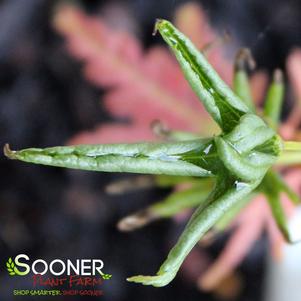
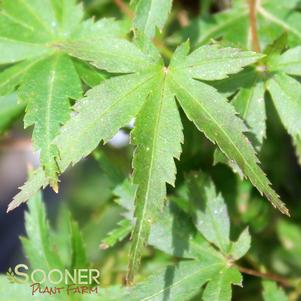
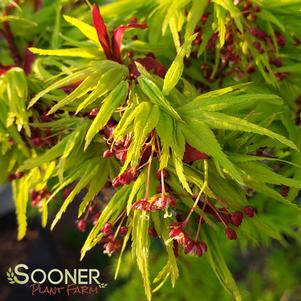
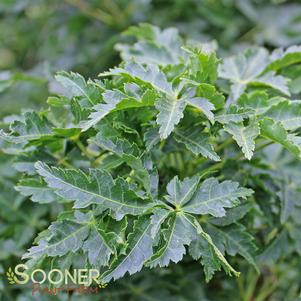
Seiun Kaku Japanese Maple is a study in architectural plant structure, as its tightly layered branching creates a shingled effect, with leaves stacking over one another like tiles on a roof. From a short distance, the canopy appears cloud-like—compact, dimensional, and remarkably organized. In early spring, the foliage emerges a bright chartreuse-yellow that immediately commands attention. As the season progresses, the leaves deepen into a rich green, settling into a calm, refined summer presence.
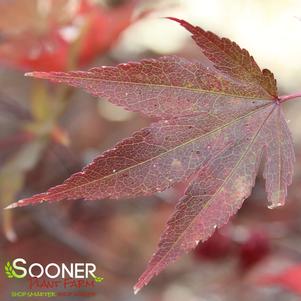
Considered part of the broader 'Mikawa Yatsubusa' family of Japanese maples, 'Seiun Kaku' shares that signature tight internode spacing and layered, stacked foliage habit collectors admire. However, it tends to show slightly more vigor and upright strength than its predecessor giving it a bit more vertical energy while maintaining that distinctive clouded and shingled branching structure. The primary branches extend outward horizontally while smaller twigs rise vertically, creating a rhythmic architectural pattern. Over time, it is expected to reach approximately 8–10 feet in height and similar in spread, forming a dense, upright specimen. When autumn arrives, the entire canopy ignites in brilliant fiery red, delivering one of the boldest seasonal finales in this class of compact upright maples.
Botanically known as Acer palmatum 'Seiun kaku', this cultivar originated in Japan's Kansai district and was introduced in 1974 before becoming more widely available in the United States in the late 2000s. The name translates to "blue-green palace in the clouds," a poetic nod to its layered foliage architecture. Hardy in Zones 5–9, it performs best with partial shade in warmer climates to preserve its vibrant spring tones. For gardeners seeking a rare Japanese maple with strong structure, layered dimension, and exceptional fall color, Seiun Kaku Japanese Maple stands confidently within the Mikawa lineage.
SEIUN KAKU JAPANESE MAPLE Plant Characteristics
Bark Color*
| • | Gray |
Bark Type*
| • | Smooth |
Cultural Information*
| • | Leaf Scorch - Low Resistance |
| • | Leaf Spot - High Resistance |
| • | Powdery Mildew - Moderate Resistance |
| • | Root Rot - High Resistance |
Fruit Type*
| • | Non-Edible Fruit |
Growth Rate*
| • | Medium |
Leaf Color Fall*
| • | Red/Brilliant Red |
Leaf Color Summer*
| • | Green |
Leaf Type*
| • | Deciduous/Herbaceous |
Plant Type*
| • | Japanese Maple |
Preferred Soil Conditions*
| • | Adapts Well to Most Soil Types |
| • | Average |
| • | Moist |
| • | Tolerates High pH (Alkaline Soils) |
| • | Well-Drained |
0 review(s) for SEIUN KAKU JAPANESE MAPLE
SEIUN KAKU JAPANESE MAPLE Homeowner Growing & Maintenance Tips
- Recommended Soil:
- Prefers well-drained soil rich in organic matter.
- Slightly acidic soil enhances foliage vibrancy.
- Amend heavy clay to improve drainage.
- Avoid consistently soggy planting sites.
- Sun Exposure:
- Best in partial shade, especially in hotter climates.
- Tolerates slightly more sun in cooler regions.
- Filtered light preserves spring chartreuse tones.
- Afternoon protection reduces leaf scorch risk.
- Irrigation Needs:
- Maintain consistent moisture during establishment.
- Water deeply during extended dry periods.
- Allow soil to drain well between watering cycles.
- Mulch to conserve moisture and protect shallow roots.
- Feeding & Nutrients:
- Apply balanced slow-release fertilizer in early spring if needed.
- Top-dress annually with compost to support soil health.
- Avoid heavy nitrogen applications.
- Do not overfeed young trees.
- Pruning & Maintenance:
- Minimal pruning needed to maintain layered structure.
- Remove crossing or damaged branches in late winter.
- Avoid heavy shaping that disrupts natural form.
- Protect from strong winter winds in exposed locations.
Family: Sapindaceae / Aceraceae · Common Name: Maple
FREE with every plant purchased:
- The Sooner Guarantee: For details, click here!
- A pre-applied, pre-measured amount of time release fertilizer that keeps your plant well nourished for up to one year.
- Pre-hydrated Hydro-Gels are included in the top of each container to use when planting as they help retain soil moisture, and plants will establish more quickly with less transplant shock. Plants will also survive drought-like conditions and accidental missed waterings better.
- Planting and Care Instruction brochure.
- Catalogs of new and exciting plant brands, such as Garden Debut® and Proven Winners®.
 We use and recommend www.dripdepot.com for our irrigation needs, from simple to install micro and drip systems, to commercial grade irrigation parts and supplies.
Growing and Maintenance Tips for Acer
Maple Trees are easy to grow, and adapt well to most conditions.
- Plant large shade Maple Trees in full sun
- Plant Japanese Maple trees in morning shade or sun and evening shade
- Water daily until established, than as needed.
- Prefers moist, well draining soil.
- Feed once a year with a slow release fertilizer. To give your plant the best start possible, we include a free fertilizer packet.
Acer Interesting Notes
Interesting Notes About SEIUN KAKU JAPANESE MAPLE
- Name Translation: "Seiun kaku" translates to "blue-green palace in the clouds," referencing its layered canopy effect.
- Kansai Origin: This cultivar originated in Japan's Kansai district and was introduced in 1974.
- Mikawa Relative: It is often considered a more vigorous relative of 'Mikawa Yatsubusa' due to its tight internodes and layered branching.
- Layered Architecture: The combination of horizontal major branches and vertical secondary twigs creates its distinctive "cloud" structure.
- Recent U.S. Arrival: Seiun Kaku became more widely available in the United States around 2008, increasing its collector appeal.


You must be logged into your customer account to post a review for Acer palmatum 'Seiun Kaku'.