
EVERBLOOM RASPBERRY JAM DIANTHUS

Know Your Zone
Enter your zip code to look up your hardiness zone region.
#6998
EVERBLOOM RASPBERRY JAM DIANTHUS
Dianthus x
'Everbloom™ Raspberry Jam'
PPAF Plant Propagation Prohibited
Currently Unavailable
These Units Are Currently Ready to Ship
These items can be added to your Shopping Cart.
These Units Are Currently Out of Stock
Check back regularly for updated inventory.
These Units Are Currently Growing On Our Farm
We are waiting for them to become ready to ship. These items can be added to your Shopping Cart.
Orders containing Online Pre-Order items will be scheduled to ship based on projected ready dates.
These Units Are Currently In Production
These items are currently in production and do not have a projected ready date at this time. These items cannot be added to your Shopping Cart.
Please call to pre-order (918) 453-0771.
Eco gallon Potted
(SKU: 20848)
0 - Available Now -
Details
-
List Price $25.00 Per Plant
Hardiness Zone: 4-9 · Mature Height: 6-8 Inches · Mature Spread: 8-12 Inches
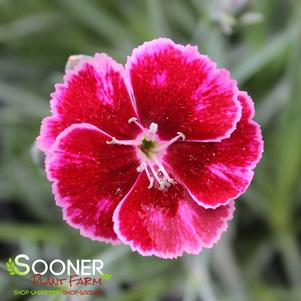
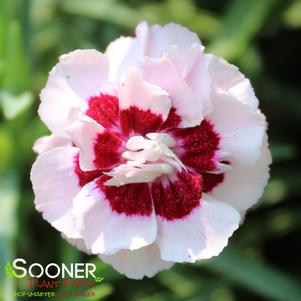
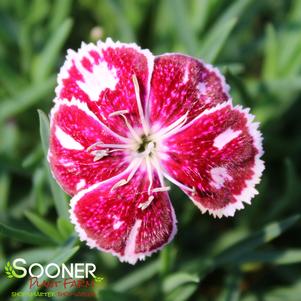
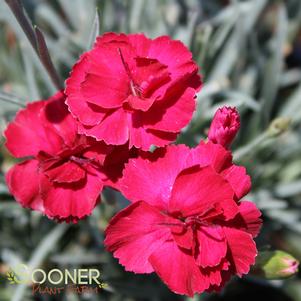
Everbloom℣Raspberry Jam Dianthus is a compact Border Carnation with flowers that look almost good enough to spread on toast, though a light smell of its attractive scent will have to do. Quarter-sized blooms combine rich raspberry-pink petals with darker centers and delicate color variation for a look that is cheerful and sophisticated. The softly fringed flowers rise above attractive blue-green to silvery foliage, creating a handsome contrast. That contrast is softened by the classic Dianthus fragrance, adding a sweet note whenever you wander nearby.
The real party trick is the flowering performance. Everbloom℣Raspberry Jam Dianthus is selected for an exceptionally long season of bloom, producing waves of colorful flowers from spring through fall rather than making one grand appearance and disappearing backstage. Its compact, well-branched habit makes it especially useful along garden paths, perennial borders, rock gardens, and the front of mixed planting beds. Strong stems help the flowers hold their shape, while the low-growing foliage creates a neat, finished appearance.
For gardeners who want dependable color without a high-maintenance diva, Everbloom℣Raspberry Jam Dianthus is an especially tempting choice. It thrives in sunny locations, appreciates well-drained soil, and is notably attractive to butterflies and other pollinators while generally being ignored by deer. Remove spent flowers when practical and you can encourage another round of blooms, keeping that raspberry-colored encore coming. Whether you're refreshing a tired border, building a pollinator-friendly garden, or simply looking for a fragrant perennial with serious staying power, Everbloom℣Raspberry Jam Dianthus earns its garden space with flair.
EVERBLOOM RASPBERRY JAM DIANTHUS Plant Characteristics
Cultural Information*
| • | Leaf Scorch - High Resistance |
| • | Leaf Spot - High Resistance |
| • | Powdery Mildew - High Resistance |
| • | Root Rot - High Resistance |
Flower Type*
| • | Single Blooming |
Growth Rate*
| • | Medium |
Plant Type*
| • | Perennial |
Preferred Soil Conditions*
| • | Adapts Well to Most Soil Types |
| • | Average |
| • | Drought Tolerant |
| • | Moist |
| • | Prefers Low pH (Acidic Soils) |
| • | Salt Tolerant |
| • | Tolerates Low pH (Acidic Soils) |
| • | Well-Drained |
Season of Interest*
| • | Fall |
| • | Late Spring/Early Summer |
| • | Late Summer/Early Autumn |
| • | Spring |
| • | Spring Flowering |
| • | Summer |
| • | Summer Flowering |
Uses*
| • | Accent Plant |
| • | Border Plant |
| • | Mass Planting |
| • | Near Water Gardens or Ponds |
| • | Rain Garden |
| • | Rock Gardens |
| • | Understory Planting |
| • | Flowering |
0 review(s) for EVERBLOOM RASPBERRY JAM DIANTHUS
EVERBLOOM RASPBERRY JAM DIANTHUS Homeowner Growing & Maintenance Tips
- Recommended Soil:
- Choose average, well-drained garden soil; good drainage is especially important for healthy Dianthus roots.
- A moderately fertile soil with a loose texture encourages vigorous flowering without excessive leafy growth.
- Avoid consistently soggy locations, which can encourage crown and root problems.
- Rock gardens, raised beds, and sunny border soils can provide the drainage Raspberry Jam Dianthus prefers.
- Sun Exposure:
- Full sun is ideal for the strongest flowering and most compact growth.
- Aim for roughly 6 or more hours of direct sunlight when possible.
- Morning sun with some afternoon shade can work in especially hot climates.
- Too much shade may result in fewer flowers and a looser growth habit.
- Irrigation Needs:
- Water thoroughly when the surrounding soil begins to dry, particularly during the establishment period.
- Maintain consistent moisture during prolonged heat while avoiding constantly saturated soil.
- Established plants can be relatively water-wise when growing in suitable, well-drained soil.
- During extended drought or extreme summer heat, supplemental irrigation can help sustain flowering.
- Feeding & Nutrients:
- Begin with soil that contains a reasonable amount of organic matter and nutrients.
- A light application of a balanced perennial fertilizer in spring can support healthy growth and flowering.
- Avoid excessive nitrogen, which can encourage foliage at the expense of flowers.
- Established Dianthus generally does not require heavy feeding to remain productive.
- Pruning & Maintenance:
- Deadhead faded flowers regularly to encourage additional blooms and keep the plant looking tidy.
- Trim back tired flowering stems after a major flush of bloom to encourage fresh growth.
- Remove damaged or declining foliage as needed to improve air circulation around the plant.
- Clean up old growth in early spring before vigorous new growth resumes.
Family: Caryophyllaceae · Common Name: Dianthus
FREE with every plant purchased:
- The Sooner Guarantee: For details, click here!
- A pre-applied, pre-measured amount of time release fertilizer that keeps your plant well nourished for up to one year.
- Pre-hydrated Hydro-Gels are included in the top of each container to use when planting as they help retain soil moisture, and plants will establish more quickly with less transplant shock. Plants will also survive drought-like conditions and accidental missed waterings better.
- Planting and Care Instruction brochure.
- Catalogs of new and exciting plant brands, such as Garden Debut® and Proven Winners®.
 We use and recommend www.dripdepot.com for our irrigation needs, from simple to install micro and drip systems, to commercial grade irrigation parts and supplies.
Interesting Notes About EVERBLOOM RASPBERRY JAM DIANTHUS
- A Name Fit for Olympus: The name Dianthus comes from Greek roots associated with Zeus and "flower," essentially giving this entire plant group the wonderfully dramatic nickname "flower of Zeus." Not bad for a little border perennial. :contentReference[oaicite:0]{index=0}
- Breeder With a Mission: The EverBloom™ series is associated with plant breeder Dr. Rick Grazzini of GardenGenetics, whose breeding work includes the Dianthus EverBloom series. His work focuses on developing new plant varieties with strong ornamental performance. :contentReference[oaicite:1]{index=1}
- Pollinator Pit Stop: Dianthus flowers can be useful additions to pollinator-friendly plantings, with butterflies, bees, and hummingbirds among the visitors associated with various Dianthus species and cultivars. That makes Raspberry Jam a colorful way to add more movement to a sunny garden. :contentReference[oaicite:2]{index=2}
- Pretty, But Pet Owners Take Note: ASPCA information lists Dianthus species among plants that can be toxic to dogs, cats, and horses, with gastrointestinal upset and skin irritation among reported concerns. Because cultivar-specific toxicity information can vary, curious pets should be discouraged from chewing the foliage or flowers. :contentReference[oaicite:3]{index=3}
- The "Pink" Connection: The word "pink" has an intriguing historical connection to Dianthus: the frilled or notched edges of many Dianthus petals resemble the decorative cuts made by "pinking" tools. In other words, the flower may have helped inspire the name of the color itself. :contentReference[oaicite:4]{index=4}
You must be logged into your customer account to post a review for Dianthus x 'Everbloom™ Raspberry Jam'.